

Key Takeaways
Why Everyday Habits Outweigh One-Time Fixes
Most drivers think about vehicle longevity in terms of big-ticket events: a timing belt replacement, a brake job, an engine overhaul. But a car's lifespan is actually shaped far more by hundreds of small decisions made every day — how you accelerate, where you park, how long you let a cold engine idle before driving normally.
Research from automotive engineering bodies consistently shows that mechanical wear is cumulative. Components degrade faster under repeated stress than they do from isolated hard use. That means the driver who brakes sharply and accelerates hard on every commute shortens the life of far more components than someone who occasionally redlines the engine once in a year. Understanding this shifts the focus from reactive repairs to proactive behavior — and that's where real savings and reliability live.
See our maintenance schedule guide for a clear timeline of service intervals to pair with these habits.
Core Practices That Genuinely Extend Vehicle Life
The following practices are grounded in mechanical reality, not folklore. Each targets a specific failure mode that shortens vehicle life prematurely.
Warm up the engine by driving gently rather than idling at a standstill.
Modern fuel-injected engines reach operating temperature faster under light load than they do sitting idle. Prolonged cold idling causes incomplete combustion, which can wash oil from cylinder walls and increase wear on piston rings and valve stems.
Accelerate smoothly and brake progressively on every trip.
Aggressive acceleration stresses the transmission, drivetrain, and engine mounts simultaneously. Hard braking generates excessive heat in brake pads and rotors, shortening their service life substantially. Smooth inputs spread load evenly and reduce heat cycles.
Check tire pressure monthly, including the spare.
Tires naturally lose around one PSI per month through normal permeation. Under-inflated tires wear unevenly at the edges, reduce fuel economy, and generate heat that weakens the tire structure. Over-inflation causes center wear and reduces grip.
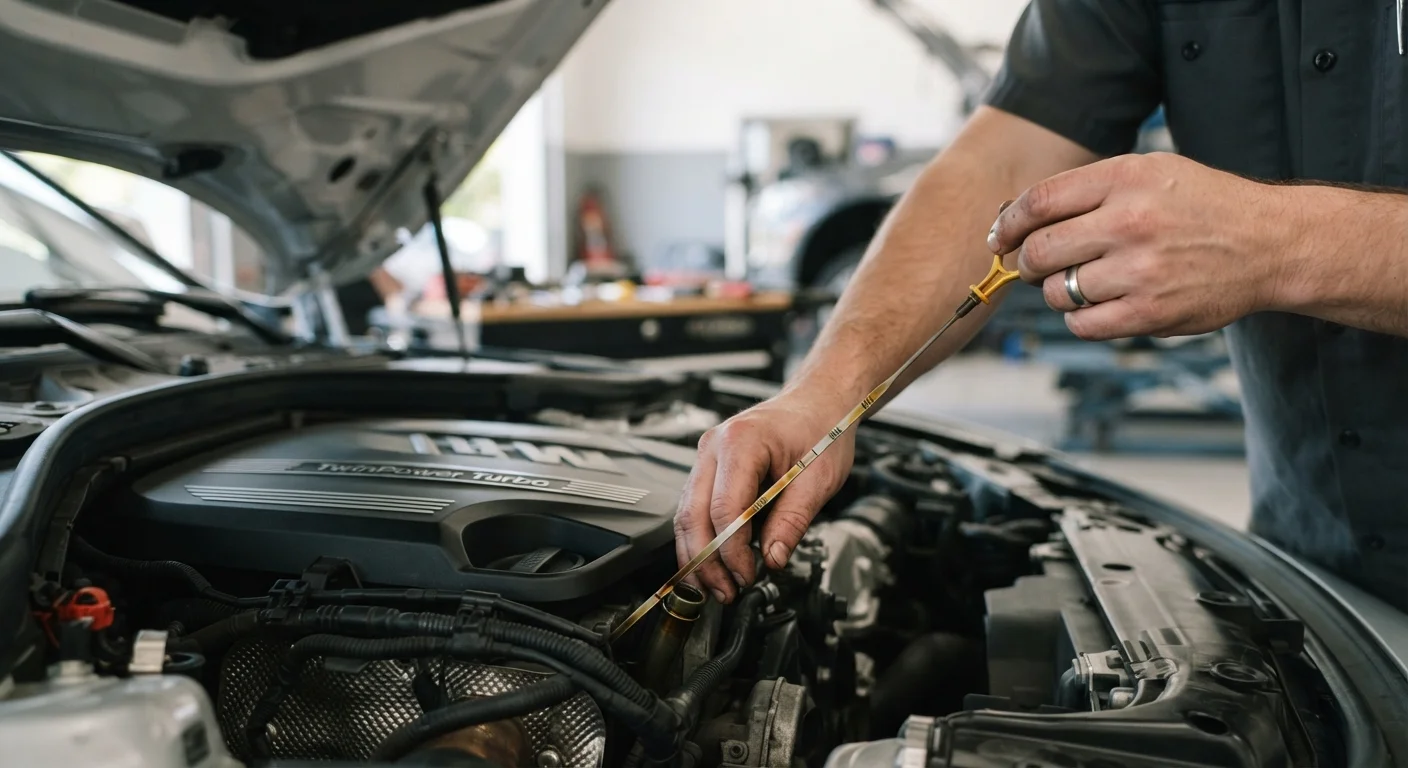
Change engine oil and filter on the interval specified in your owner's manual.
Oil degrades through heat cycling and picks up combustion byproducts over time. Degraded oil loses its ability to form a protective film between metal surfaces, accelerating wear in the engine's most critical components — bearings, camshafts, and cylinder walls.
Park in covered or shaded areas whenever practical.
UV exposure degrades paint, rubber seals, and plastic trim over time, while heat cycles inside a parked car stress the dashboard, upholstery, and electronics. Vehicles parked outdoors in humid climates are also significantly more vulnerable to underbody corrosion.
Keep the fuel tank above one-quarter full as a general habit.
In vehicles with in-tank electric fuel pumps, the pump relies on surrounding fuel for cooling. Running consistently on near-empty increases pump operating temperatures and can shorten its service life. Low fuel also increases the likelihood of drawing sediment from the tank bottom into the fuel system.
It's also worth understanding which common maintenance advice is outdated. Several widely repeated tips can actually cause harm — so pairing good habits with accurate information matters.
Quick Wins You Can Start Today
Not every longevity habit requires a tool, a mechanic, or extra money. Several of the most impactful changes are purely behavioral and cost nothing to implement.
For drivers managing ownership costs over the long term, these habits connect directly to predictable expenses. Keeping running costs under control starts with reducing unnecessary wear before it becomes a repair bill.
The Numbers Behind Vehicle Longevity
Context helps. The data on vehicle lifespan makes a compelling case for consistency over intervention.
200,000+
Miles achievable with disciplined maintenance
Consumer vehicle data and reliability surveys consistently show that well-maintained vehicles regularly surpass 200,000 miles before major mechanical failure.
~25%
Tire life lost to chronic under-inflation
The U.S. Department of Energy has noted that tires underinflated by just 8 PSI can reduce tread life by 15–25% depending on driving conditions.
1 PSI/month
Typical tire pressure loss through permeation
Tires lose pressure naturally through the rubber itself — making monthly checks a practical necessity rather than an optional precaution.
“The single biggest factor in how long a car lasts is not the brand or the model — it's how consistently the owner follows the maintenance schedule and how gently they operate the vehicle day to day.”
— John Nielsen, Former Director of Engineering and Repair at AAA
For a comprehensive view of how care needs evolve as mileage climbs, the full picture of vehicle maintenance across a car's life is worth reading alongside these practices.
Know What's DIY and What Isn't
Fluid top-offs, tire pressure checks, and visual inspections are genuinely safe for most owners to handle at home. Tasks involving brake hydraulics, suspension geometry, or anything electrical beyond fuse replacement carry real risk if done incorrectly. Our guide to DIY maintenance boundaries explains where the line sits and why it matters.