

Key Takeaways
The Quiet Problem With Modern Diets
Most people eating a typical American diet get enough calories — sometimes more than enough. But calories and nutrients are not the same thing. Across large national surveys, public health researchers have consistently identified a cluster of micronutrients that fall below recommended intake levels for a significant portion of the US population, often without anyone noticing.
Unlike an obvious nutrient deficiency that causes clear symptoms, low-grade shortfalls tend to be subtle. Energy dips, mood changes, and muscle cramps are easy to attribute to stress or poor sleep rather than diet. Meanwhile, the gap quietly continues.
This list covers the micronutrients most likely to be underrepresented in everyday eating — and, crucially, the real foods where each one actually lives. For a broader look at how to structure meals that cover nutritional basics, see Building a Balanced Plate.
Food First, Supplements Second
Whole foods deliver micronutrients alongside fiber, antioxidants, and other compounds that work together in ways isolated supplements may not replicate. Before reaching for a pill, consider whether a dietary adjustment could close the gap. When supplements are appropriate, a healthcare provider can guide the right form and dose for your situation.
This article is for general informational purposes only and is not medical advice. If you have concerns about your nutrient intake or health, speak with a qualified healthcare professional.
Vitamin D
Vitamin D is arguably the most widespread nutrient gap in the United States. The body can produce it through sun exposure, but factors like indoor lifestyles, sunscreen use, darker skin tones, and northern latitudes significantly limit synthesis. Dietary sources are limited but include fatty fish such as salmon and mackerel, egg yolks, and fortified foods like milk and some breakfast cereals.
Vitamin D plays a central role in calcium absorption, immune function, and muscle health. People who are older, have limited sun exposure, or have darker skin are at higher risk of low levels. Only a blood test can confirm status — so consult a healthcare provider if you have concerns.
Fatty fish, egg yolks, and fortified milk are among the few reliable dietary sources of vitamin D.
Magnesium
Magnesium is involved in hundreds of enzymatic processes in the body, including energy production, muscle contraction, and nerve signaling. Despite its importance, surveys suggest a large share of US adults consume less than the recommended amount. The chief reason: magnesium is concentrated in foods many people eat infrequently, including dark leafy greens, legumes, whole grains, nuts, and seeds.
Pumpkin seeds, black beans, edamame, and almonds are among the most magnesium-dense options available in most grocery stores. Refined grains — a staple of many diets — lose significant magnesium during processing.
Magnesium is lost when grains are refined, which helps explain why so many people fall short.
Iron
Iron deficiency is the most common nutritional deficiency globally and remains a concern in the US, particularly among women of childbearing age, pregnant individuals, and young children. Iron comes in two forms: heme iron, found in red meat, poultry, and seafood, which the body absorbs efficiently; and non-heme iron, found in lentils, beans, tofu, and fortified cereals, which is less readily absorbed.
Pairing non-heme iron sources with vitamin C-rich foods — such as bell peppers, citrus, or tomatoes — meaningfully improves absorption. Those following plant-based diets should pay particular attention to iron intake. Importantly, excess iron supplementation carries risks, so testing before supplementing is strongly advised.
Pairing plant-based iron with vitamin C-rich foods significantly improves how much your body absorbs.
Potassium
Potassium is essential for maintaining healthy blood pressure, fluid balance, and proper muscle function, including the heart muscle. Most Americans fall well short of the adequate intake level. The gap isn't surprising: potassium is richest in fruits, vegetables, legumes, and dairy — food groups that tend to be underrepresented in processed-food-heavy diets.
Practical sources include white potatoes (with skin), avocados, bananas, lentils, kidney beans, and plain yogurt. Processed and packaged foods, by contrast, are typically high in sodium and low in potassium — a combination that health authorities associate with elevated cardiovascular risk over time. This connects directly to why fibre intake also tends to be low: the same whole foods that supply fibre often supply potassium too.
The same processed diets that oversupply sodium tend to undersupply potassium — a double nutritional setback.
Iodine
Iodine is critical for thyroid hormone production, which regulates metabolism and supports fetal brain development during pregnancy. While iodized salt largely eliminated severe iodine deficiency in the US, shifting away from table salt — toward sea salt or specialty salts, which are typically not iodized — combined with lower dairy consumption has renewed concerns about mild iodine shortfalls in some groups.
Reliable food sources include dairy products, eggs, seafood, and seaweed. Pregnant individuals have a higher iodine requirement and should discuss intake specifically with their prenatal care provider. Iodine needs careful balance: both too little and too much can impair thyroid function.
Specialty salts like sea salt are typically not iodized — a detail worth knowing if you've switched away from table salt.
Vitamin K2
Most people have heard of vitamin K in the context of blood clotting, but there are two main forms: K1 (found in leafy greens and involved in clotting) and K2 (found in fermented foods and animal products, associated with bone and cardiovascular metabolism). K2 is the less familiar and more commonly underconsumed of the two.
Food sources of K2 include natto (fermented soybeans, the richest known source), hard and soft cheeses, egg yolks, and chicken. Because K2 is less abundant in typical Western diets and less discussed in public health messaging, many people consume very little without realizing it. Research on K2 is still developing, so it remains an area to watch rather than a firmly settled science.
Vitamin K2, found mainly in fermented foods and animal products, often goes unnoticed in everyday nutrition conversations.
Small Shifts, Meaningful Differences
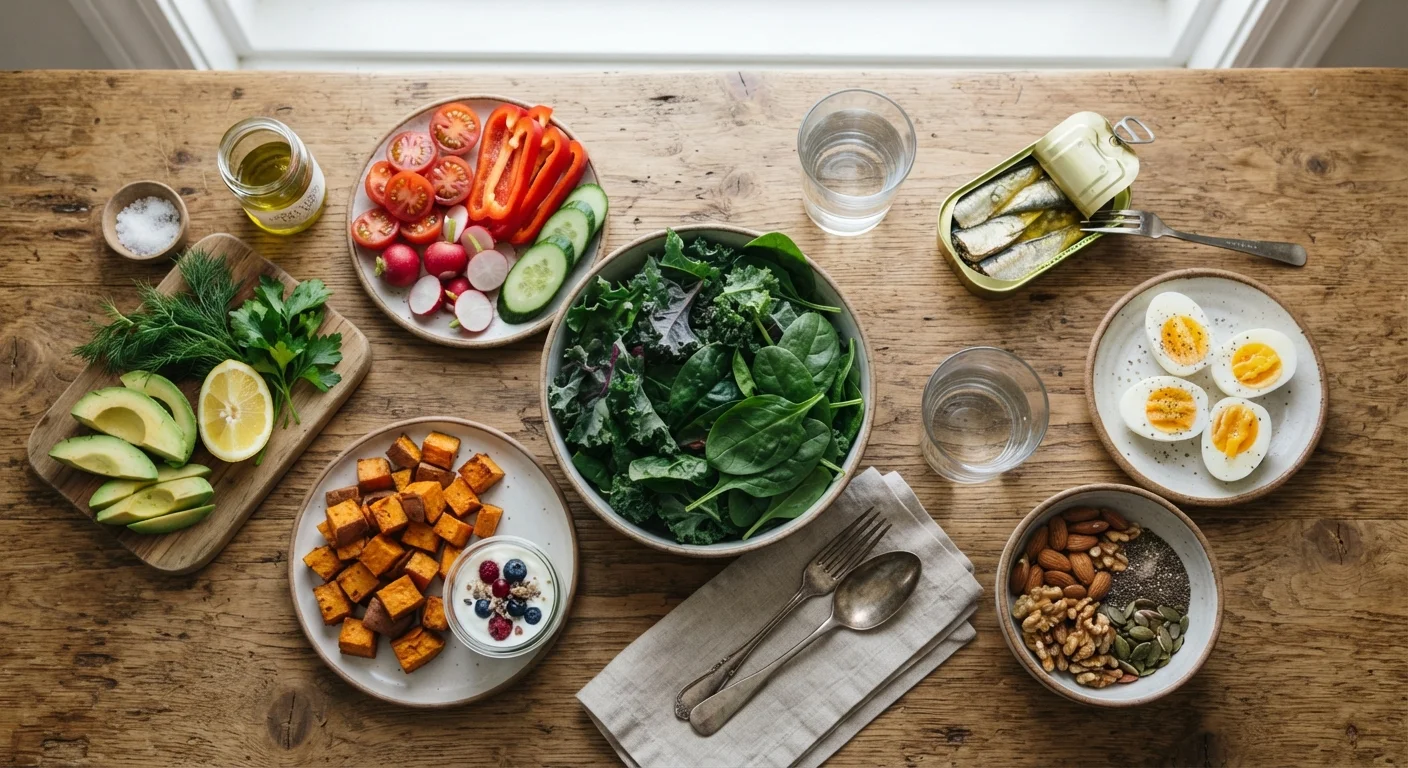
Closing micronutrient gaps rarely requires a complete dietary overhaul. More often, it means making room for a handful of underused foods — sardines on a cracker, a handful of pumpkin seeds, a side of cooked spinach. These additions complement whatever eating pattern you already follow.
If vegetables feel like a barrier, the practical strategies in Eating Enough Vegetables Without Overhauling Your Whole Diet can help. And for a fuller picture of how macronutrients and micronutrients work together, the Everyday Nutrition complete guide is a useful next step.
When to Talk to a Doctor
Suspected micronutrient deficiencies are best confirmed through blood work rather than self-diagnosis. Some symptoms — fatigue, muscle weakness, hair changes — overlap across multiple conditions, making lab testing the most reliable path forward. Your doctor or a registered dietitian can help interpret results and design an appropriate response.
If you suspect a significant deficiency — particularly of iron or vitamin D — a blood test ordered by your doctor is the most reliable way to assess your actual status. Supplements should be used under professional guidance, as some micronutrients can cause harm at high doses.