

Key Takeaways
Annual Wellness Exam
An annual wellness exam is a scheduled, head-to-tail checkup your veterinarian performs on your pet once a year — or more often for seniors and young animals. It covers physical assessment, preventive care such as vaccines and parasite screening, and a conversation about your pet's diet, weight, and behavior. The goal is to catch problems early and keep your pet on a healthy trajectory.
Vets refer to these as 'wellness' or 'preventive care' visits to distinguish them from sick visits, where a specific complaint drives the appointment.
What the Vet Is Actually Checking
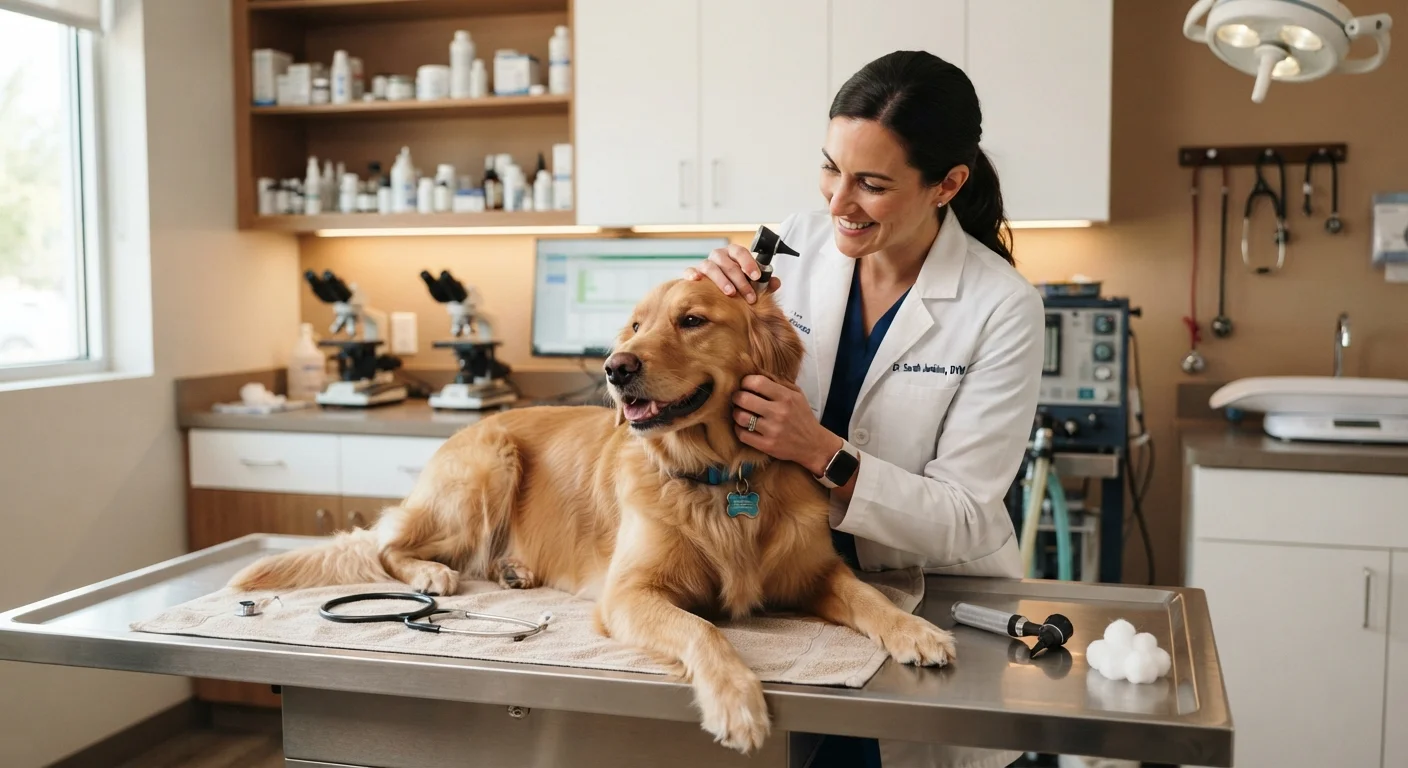
Many pet owners assume an annual visit is mostly about vaccines. In reality, vaccines are just one component of a much more thorough process. Your vet conducts a systematic physical exam from nose to tail, assessing each body system for signs of change or concern.
Here's what a typical exam covers:
- Eyes, ears, and nose: Checked for discharge, inflammation, or signs of infection.
- Mouth and teeth: Dental disease is one of the most common — and most overlooked — conditions in dogs and cats. Your vet will assess tartar buildup, gum health, and tooth integrity. Our article on dental health in dogs and cats explains why oral care matters beyond the clinic visit.
- Skin and coat: Abnormal lumps, hair thinning, or skin changes can signal allergies, hormonal issues, or other conditions.
- Heart and lungs: A stethoscope check listens for irregular rhythms, murmurs, or respiratory sounds that could indicate early cardiac or pulmonary disease.
- Abdomen: Palpation helps identify organ enlargement, pain, or unusual masses.
- Lymph nodes and joints: Swollen nodes or stiff joints can be early indicators of immune or musculoskeletal problems.
- Weight and body condition: Your vet assesses whether your pet is at a healthy weight using a standardized body condition score. Weight gain in pets often goes unnoticed at home until it's significant.
Make a List Before You Go
In the week before your pet's exam, jot down any changes you've observed — eating habits, energy levels, unusual lumps, changes in water intake, or differences in bathroom habits. Even things that seem minor are worth mentioning. Vets can only work with the information they're given, and small observations often matter more than owners expect.
Parasite Screening, Lab Work, and Vaccines
Beyond the physical exam, your vet will often recommend or perform a few additional checks depending on your pet's age and history.
Parasite screening: A fecal (stool) test looks for intestinal parasites such as roundworms, hookworms, and giardia — many of which shed no visible signs. Heartworm testing is also standard for dogs in most regions, typically done with a quick blood test.
Bloodwork: For adult and senior pets, a basic blood panel can reveal early kidney disease, liver changes, diabetes, and thyroid issues — conditions that may be managed much more effectively when caught before symptoms develop.
Vaccinations: Which vaccines are given depends on your pet's lifestyle, age, and local disease risks. Core versus non-core vaccines is a distinction worth understanding before your visit, so you can have an informed conversation with your vet about what makes sense for your individual pet.
~85%
Cats with dental disease by age 3
According to the American Veterinary Medical Association, the majority of cats show some form of dental disease by their third year — a condition routinely identified at wellness exams.
1 in 4
Pets with a detectable health issue at routine exam
Veterinary industry estimates suggest a significant proportion of pets seen for routine wellness visits have at least one previously undetected health finding.
The Conversation Part Matters Too
A wellness exam isn't one-directional. The time you spend talking with your vet is just as valuable as the physical assessment. This is when you can raise anything you've been uncertain about — subtle shifts in appetite, changes in litter box habits, a new lump you found, or mobility that seems slightly off.
“The wellness exam is our best opportunity to establish a baseline for each patient. When we know what's normal for a specific animal, we're much better equipped to recognize when something has changed — often before the owner has noticed anything at home.”
— Dr. Elizabeth Colleran, Past President, American Association of Feline Practitioners
Come prepared with notes if possible. Vets work within tight appointment windows, and having your observations organized means nothing gets overlooked. If your pet is new to your home, this first-month health checklist can help you track early observations to bring to that first appointment.
If something unusual has come up between annual visits — particularly symptoms that feel hard to categorize — our guide to signs your pet needs a vet visit can help you decide whether to wait or act sooner.
Senior Pets Need More Frequent Checkups
Dogs and cats age more quickly than humans, and health status can shift significantly within a single year in older animals. Most veterinarians recommend twice-yearly wellness exams for pets aged 7 and older. If you're unsure what schedule is right for your senior pet, ask your vet at your next visit.
This article provides general educational information about routine veterinary care and is not a substitute for professional veterinary advice. Always consult a licensed veterinarian for guidance specific to your pet's health needs.