

Key Takeaways
Why 'Peak Season' Doesn't Mean What You Think
Most travelers reach for the nearest seasonal guide and assume the labels transfer cleanly: peak equals expensive and crowded, off-season equals cheap and empty. But destinations don't follow a universal calendar. What's peak in one context can be ruinous in another.
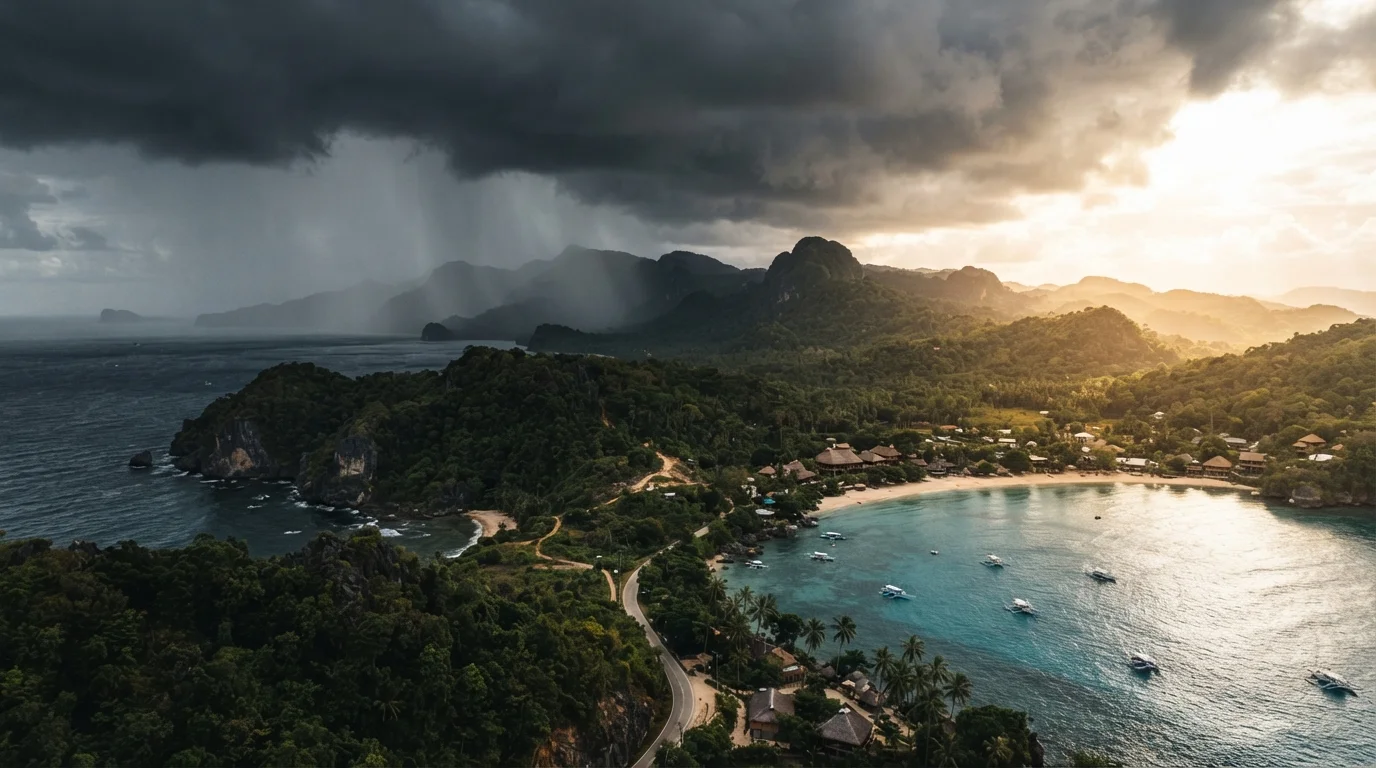
Consider Southeast Asia. Many visitors rush to Thailand in December and January, drawn by a northern hemisphere idea of 'winter escape.' Yet parts of the region are simultaneously entering their own dry season — genuinely pleasant — while others are already building toward a hot, hazy period that predates the monsoon. The label 'peak' describes demand, not necessarily desirability.
This distinction matters enormously. As the climate and seasonality guide explains, seasonal patterns touch everything from safety conditions to what's actually open when you show up. Approaching seasonality as a multi-layered question — not a simple tier system — is where smarter trip planning begins.
Reframe the Question Before You Search
Instead of searching 'best time to visit [destination],' try 'what is [destination] like in [specific month]' — this shifts results toward experiential descriptions rather than generalized tier rankings. Traveler forums, photography communities, and local blogs often surface the kind of ground-level detail that broader guides miss.
The Five Dimensions of Seasonal Complexity
Rather than thinking in peak/shoulder/off categories, try evaluating a destination across five distinct dimensions before you book.
Separate climate from crowd cycles when researching a destination.
Popular demand doesn't always align with ideal conditions. A destination can be at peak visitor numbers precisely when its weather is transitional or its natural environment is under stress — think popular national parks during July heat waves. Decoupling these two factors lets you identify windows where conditions are good but demand hasn't caught up.
Identify what's driving local seasonality — not just global tourist patterns.
Many destinations have internal seasonal rhythms tied to local festivals, agricultural harvests, religious observances, or school holidays that shape the visitor experience far more than international travel trends do. Ignoring these can mean arriving during a week when everything is closed, or accidentally landing during a beloved local celebration.
Research wildlife and natural event windows independently of general travel guides.
If a natural phenomenon — a wildlife migration, a reef spawning event, a seasonal waterfall — is your primary reason for visiting, the optimal window may not align with any conventional seasonal tier. These events follow ecological calendars, not tourism ones, and can shift by weeks depending on conditions.
Check what is operationally available during your target window, not just what the weather is like.
Some destinations scale their infrastructure dramatically with the seasons — boat services, mountain huts, park facilities, and even visa-on-arrival policies can differ. Arriving during a technically pleasant month but finding half the trails closed or key ferry routes suspended undercuts the point of careful seasonal research.
Consult local and regional sources, not only global travel platforms.
Aggregated travel content tends to flatten regional nuance into simplified tier labels. Local tourism boards, regional news sources, and destination-specific traveler communities tend to carry more granular, current information about what any given week actually looks and feels like on the ground.
Shoulder Season: Reading Between the Lines
Shoulder season gets praised so frequently that it's become its own kind of cliché. But it remains a genuinely useful concept — as long as you understand what's actually happening during those transitional weeks.
The value of shoulder timing is destination-specific. In parts of southern Europe, late spring delivers warm temperatures, wildflowers, and fully operational infrastructure before summer crowds peak. But in some coastal areas, 'shoulder' simply means unpredictable weather and a reduced services calendar — fewer boats running, some restaurants still shuttered, and tourism infrastructure only partially restarted after the off-season.
40–60%
Visitor volume difference between peak and shoulder
Research on European tourism patterns generally suggests popular sites see significantly lower visitor volumes during shoulder months compared to peak, though precise figures vary widely by destination.
2–3 weeks
Typical window for key natural seasonal events
Many iconic natural phenomena — blooms, migrations, tidal events — concentrate in narrow windows of two to three weeks, making precise timing research especially valuable for nature-focused travelers.
Researching the shoulder window for your specific destination means looking at what's actually changing week by week — not just assuming the midpoint between busy and quiet is automatically comfortable. Check which services operate year-round versus seasonally, and whether local events anchor any particular weeks.
For the full picture on how to layer seasonal research into your broader planning process, the anatomy of a well-planned trip walks through how each research phase builds on the last.
Quick Actions to Decode Any Destination's Rhythm
Once you understand what to look for, gathering the right information becomes more targeted. These steps apply regardless of destination or travel style.
It's also worth cross-checking your timing against logistical factors that interact with seasonality — visa processing windows, for example, can shift based on application volume during high-travel periods. The guide to planning around visa requirements covers how to factor those timelines in early.
This article provides general travel planning information. Conditions, entry requirements, and travel advisories change frequently. Always verify current details with official government sources and local tourism authorities before booking.