

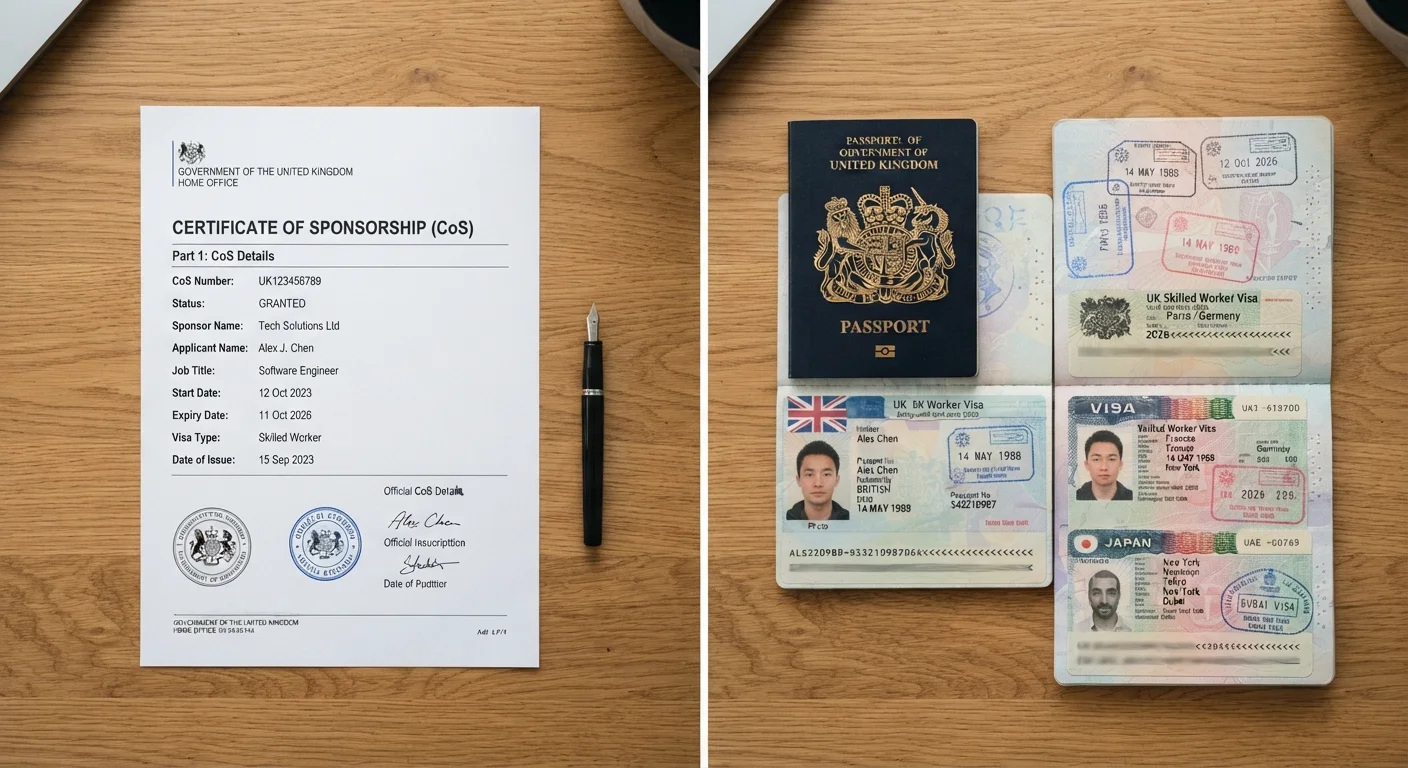
Key Takeaways
Option A
Travel Advisories
Safety guidance issued by your own government about conditions abroad.
Best for: Travelers who want to understand potential risks — political instability, crime, natural disasters — at their destination before departing.
Option B
Entry Requirements
The legal permission framework set by the destination country.
Best for: Travelers who need to know exactly what documents, visas, or conditions the destination country requires before they can legally cross the border.
If you want to assess personal safety before booking
Travel Advisories
Advisories give you a risk snapshot — from petty crime levels to active conflict zones — helping you decide whether to go at all.
If you need to know what paperwork to prepare
Entry Requirements
Entry requirements define which visa category, vaccinations, insurance, or documents you must have to board your flight and clear customs.
If you're traveling to a politically complex destination
Travel Advisories
In volatile regions, advisories update frequently and may signal conditions that entry rules alone won't reveal.
If you're applying for a visa for the first time
Entry Requirements
Entry requirements specify exactly which visa type you need, documents to submit, and lead times — missing any step can mean denial.
Two Different Documents, Two Very Different Jobs
Picture this: you've found a great fare to a destination you've dreamed about. You check the news, nothing alarming. You assume you're good to go. But somewhere between booking and boarding, you realize you don't actually know whether you need a visa — or whether your government has issued a warning about the region. These are two entirely separate questions, and confusing them is one of the most common planning errors travelers make.
Travel advisories and entry requirements each serve a distinct purpose. A travel advisory is guidance your own government publishes to inform you about conditions in a foreign country — think crime levels, political unrest, disease outbreaks, or natural disaster risk. The U.S. Department of State, for example, publishes advisories on a four-level scale ranging from "Exercise Normal Precautions" to "Do Not Travel." This is your government speaking to you about what you might encounter.
Entry requirements are something else entirely. These are the rules the destination country sets for who may cross its borders and under what conditions. They include whether your nationality requires a visa, how long you can stay, what documents you must carry, and sometimes health or insurance mandates. Your government doesn't control these — the destination government does.
As our travel vocabulary guide explains, mixing up these two concepts leads to some of the most avoidable trip disruptions in international travel.
| Criterion | Travel Advisories | Entry Requirements |
|---|---|---|
| Issued by | Your home government | The destination country's government |
| Primary purpose | Inform travelers of safety conditions | Define who may legally enter and how |
| Examples | Crime alerts, conflict warnings, health risks | Visa types, passport validity, vaccination proof |
| Effect on travel | Advisory only — does not legally restrict departure | Legal — non-compliance means denied boarding or entry |
| Where to check | U.S. Department of State travel.state.gov | Destination country embassy or consulate |
| How often they change | Can update rapidly with events | Change with policy — verify before each trip |
Why Each One Matters — and What Happens When You Ignore Either
Skipping a travel advisory check doesn't affect whether you're let into a country, but it can affect whether you should go. A Level 3 advisory — "Reconsider Travel" — doesn't legally prevent departure, but it signals that conditions on the ground may be genuinely dangerous. Travel insurance coverage, evacuation assistance, and even consular support can be affected by the advisory level at your destination. Knowing the advisory before you go gives you time to plan, adjust, or reconsider.
Ignoring entry requirements carries harder consequences. Airlines are legally obligated to verify that passengers carry the correct documentation before boarding — if you lack a required visa or a valid passport with sufficient remaining validity, you may not be allowed to board at all. At the border, missing documentation can result in immediate refusal of entry, detention, or deportation at your expense. These aren't edge cases; they happen to seasoned travelers who assumed their nationality gave them automatic access.
Level 1–4
U.S. State Department advisory scale
The U.S. Department of State uses a four-level system — from Exercise Normal Precautions to Do Not Travel — applied to every country.
195+
Countries with distinct entry rules
Every sovereign nation sets its own entry requirements, meaning rules for one destination rarely mirror those of a neighboring country.
Entry requirements also aren't static. Visa-on-arrival policies shift, health documentation mandates come and go, and bilateral agreements change what citizens of one country can do in another. This is why planning your trip around visa requirements should happen early in the process, not the week before departure.
For a broader look at how these misunderstandings compound, see our guide on common mistakes first-time international travelers make.
Advisory Levels and Insurance Coverage
Some travel insurance policies reduce or void coverage if you travel to a destination under a high-level advisory (typically Level 3 or 4). Before finalizing your plans, review your policy's advisory-related clauses carefully. When in doubt, contact your insurer directly for clarification before you depart.
The bottom line: advisory levels tell you about conditions; entry requirements tell you about permission. You need to check both — from official sources — and you need to check them close to your travel date, not just at the time of booking.
This article provides general travel information for educational purposes. Always verify travel advisories and entry requirements directly with official government sources — such as the U.S. Department of State and the embassy or consulate of your destination country — before making any travel decisions.