

Key Takeaways
Why Altitude Catches Peru Travellers Off Guard
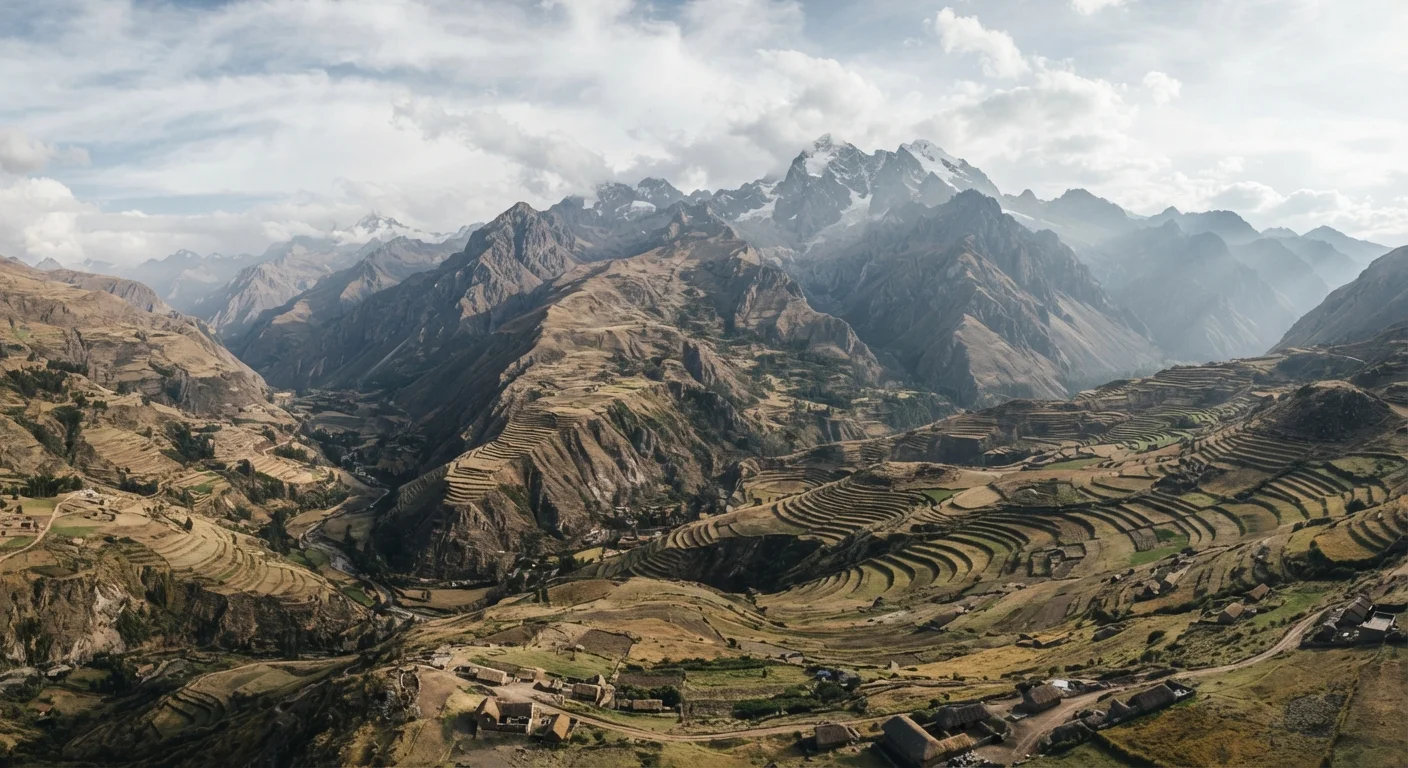
Peru's highlands don't announce their danger with obvious signs. The landscape is jaw-dropping — the terraced hillsides, the Quechua communities, the ruins glowing gold in Andean light — and the sheer excitement of arrival masks what the body is quietly struggling to do: breathe efficiently at altitudes most North Americans have never experienced at ground level.
Cusco, the gateway to much of the Andean highlands, sits at approximately 11,150 feet above sea level. The Inca Trail reaches above 13,000 feet. Lake Titicaca hovers near 12,500. At these elevations, the air contains roughly 40 percent less oxygen than at sea level. For a body accustomed to Denver, let alone Miami, that's a significant physiological shift — one that plays out over hours and days, not minutes.
The problem isn't that travellers don't know altitude exists. Most do. The problem is that they systematically misread what it demands of them. As trip planning guides often note, overlooked physiological factors can quietly derail even a carefully organised itinerary — and altitude is among the most consequential of those factors.
Flying directly into Cusco without any acclimatisation buffer.
Why it happens: Itineraries are built around maximising time at major sites, and direct routing to Cusco feels efficient. Travellers often don't account for how aggressively altitude affects the body within hours of arrival.
Mistaking altitude sickness symptoms for jet lag or dehydration and continuing as planned.
Why it happens: Headache, fatigue, and nausea are common to several travel discomforts, and travellers are often reluctant to slow down after investing considerable time and money in a trip.
Assuming personal fitness guarantees altitude tolerance.
Why it happens: Athletes and physically active travellers often expect their conditioning to protect them. Altitude physiology doesn't work that way — cardiovascular fitness has limited bearing on how efficiently the body adjusts to reduced oxygen.
Drinking alcohol heavily on the first nights at altitude.
Why it happens: Arriving in a celebratory mood is natural, and travellers may not connect alcohol consumption to worsening altitude symptoms.
Not consulting a doctor before travel about altitude medications or pre-existing conditions.
Why it happens: Many travellers view a pre-travel medical consultation as unnecessary unless they already have a known health issue. Altitude risks feel abstract until they're personal.
Rethinking Your Approach to Acclimatisation
The travellers who fare best in Peru's highlands tend to share one quality: they treat acclimatisation as a non-negotiable logistical step rather than an optional buffer day. That shift in framing changes everything from flight routing to hotel selection to the pace of Day 1.
~40%
Less oxygen available at Cusco's elevation
At roughly 11,150 feet, the partial pressure of oxygen is significantly lower than at sea level, placing immediate physiological demand on the body.
25–75%
Travellers experiencing some AMS symptoms
Estimates from altitude medicine researchers suggest a substantial portion of unacclimatised visitors to elevations above 8,000 feet experience at least mild acute mountain sickness symptoms.
Consider arriving in a lower-altitude city first — Arequipa at around 7,660 feet, for example — before ascending to Cusco. Some travellers fly into Lima and spend a transitional day there, though Lima itself sits near sea level and provides limited physiological preparation. The key is building in genuine altitude gain in stages rather than jumping from sea level to 11,000 feet overnight.
Hydration matters considerably, but it isn't a cure. Drinking water helps manage some symptoms and supports the body's adjustment, but it cannot compensate for too-rapid ascent. Similarly, coca tea — widely available and deeply traditional in Andean communities — is culturally significant and anecdotally used by locals and visitors alike, though travellers should understand it is not a medically proven treatment for acute mountain sickness (AMS). Travellers who take prescription medications such as acetazolamide (commonly known by the brand name Diamox) should discuss this specifically with a physician well before departure, as it isn't appropriate for everyone and requires a valid prescription. Exploring Peru's full geography — not just Cusco and Machu Picchu — can also naturally build in lower-altitude days that ease the body into the highlands progressively.
Finally, altitude doesn't excuse compromising the experience of place. Once properly acclimatised, the highlands of Peru reveal themselves as one of the world's genuinely irreplaceable travel environments. The care you put into preparation is, in the end, care you're putting into the trip itself.
This article is for general informational and educational purposes only and does not constitute medical advice. Consult a qualified healthcare professional before travelling to high-altitude destinations, especially if you have any underlying health conditions.