

Key Takeaways
Significant savings on routine labor costs
Labor accounts for a large portion of most service bills. Handling straightforward tasks yourself — oil changes, filter replacements, battery swaps — can meaningfully reduce annual maintenance spend.
Builds direct knowledge of your vehicle's condition
Working on your own car means you notice wear, leaks, or unusual components firsthand, rather than relying solely on a technician's report. Early detection often prevents larger problems.
Flexible scheduling with no appointment needed
DIY maintenance can happen on your timetable, without waiting for a service slot — useful when a minor issue arises unexpectedly between scheduled services.
Builds genuine mechanical confidence over time
Successfully completing low-risk tasks builds familiarity with how your vehicle works, making you a better-informed owner even when you do visit a mechanic.
Safety-critical errors can cause serious harm
Mistakes on brake, steering, or suspension components can compromise vehicle control at speed. The consequences of these failures extend beyond the driver to other road users.
Incorrect diagnosis wastes money and time
Without diagnostic equipment, it's easy to replace the wrong part. A vehicle that still has the original problem after a DIY repair often ends up costing more in total than a professional diagnosis would have.
Specialized tools represent a real upfront cost
A torque wrench, floor jack, jack stands, and other basics require investment. For infrequent tasks, the tool cost can exceed the labor saving.
High-voltage and airbag systems are off-limits
Hybrid, EV, and SRS components carry risks of electrocution or sudden deployment that are genuinely life-threatening. These systems require professionally trained technicians with specialized equipment.
DIY work may affect warranty or inspection status
Certain repairs, if performed incorrectly or without OEM-approved parts, can affect warranty claims or result in a vehicle failing state safety inspections. Requirements vary by state and vehicle type.
Our Verdict
DIY car maintenance is a genuinely rewarding and cost-effective practice when confined to the tasks it suits: straightforward, low-risk jobs that don't compromise structural or safety-critical systems. The line between empowering and dangerous isn't about ego — it's about recognizing that some automotive systems require calibrated equipment, professional training, and legal compliance. Treat your skill level honestly, invest in a solid understanding of your specific vehicle, and you'll get the most out of both worlds.
Best for drivers who are comfortable following technical instructions carefully and want to build automotive confidence through low-risk, routine upkeep tasks.
The DIY Appeal — and Where It Genuinely Makes Sense
The appeal of doing your own car maintenance is easy to understand: it cuts labor costs, builds mechanical confidence, and gives you direct knowledge of your vehicle's condition. For a broad range of routine tasks, that appeal holds up under scrutiny.
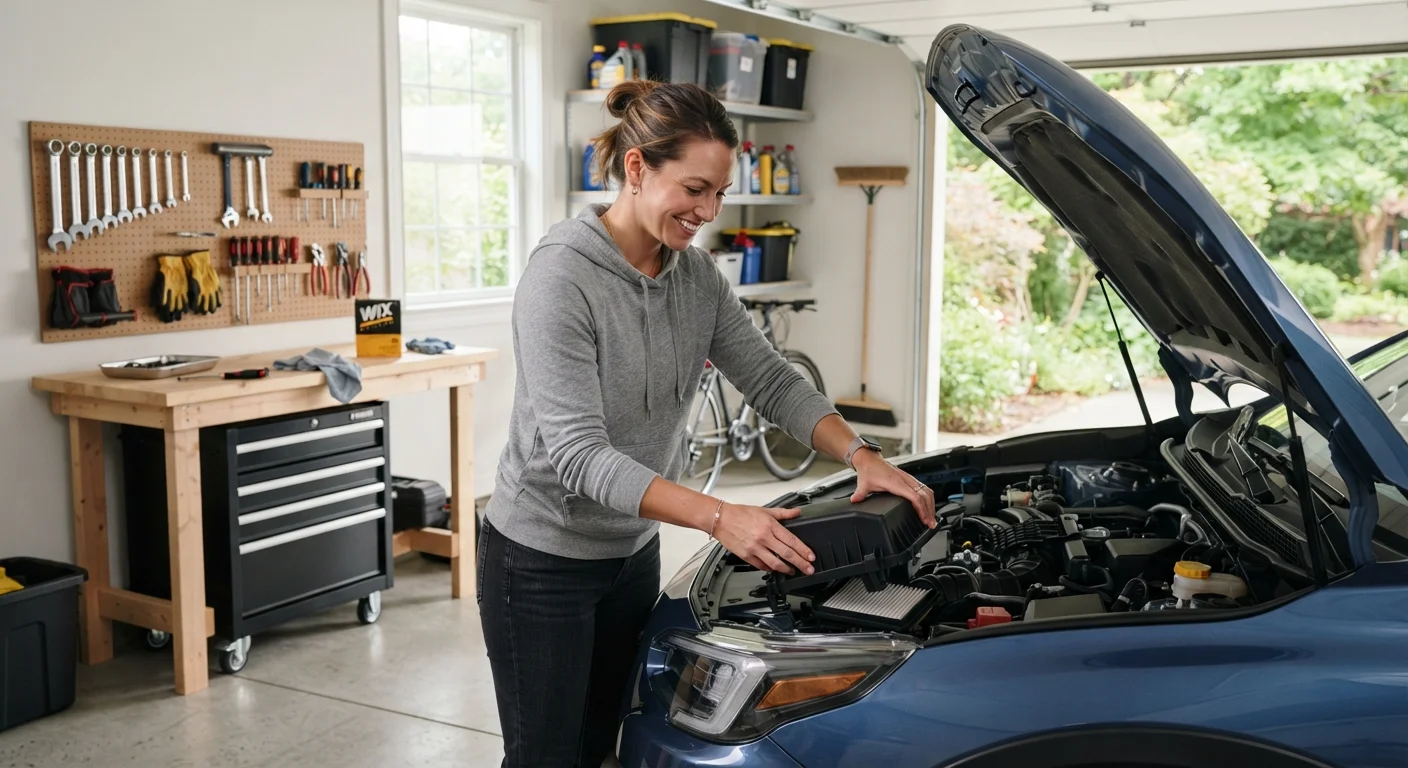
Jobs like replacing engine air filters, swapping cabin air filters, changing wiper blades, topping off fluids, replacing a dead battery, and rotating tires (with the right jack stands and torque wrench) fall comfortably within reach for a careful, motivated home mechanic. These tasks don't involve safety-critical systems, don't require specialized diagnostic equipment, and are thoroughly documented in most owner's manuals.
For a fuller picture of which checks belong on your regular to-do list, the routine maintenance schedule every owner should know is a useful reference point.
Significant savings on routine labor costs
Labor accounts for a large portion of most service bills. Handling straightforward tasks yourself — oil changes, filter replacements, battery swaps — can meaningfully reduce annual maintenance spend.
Builds direct knowledge of your vehicle's condition
Working on your own car means you notice wear, leaks, or unusual components firsthand, rather than relying solely on a technician's report. Early detection often prevents larger problems.
Flexible scheduling with no appointment needed
DIY maintenance can happen on your timetable, without waiting for a service slot — useful when a minor issue arises unexpectedly between scheduled services.
Builds genuine mechanical confidence over time
Successfully completing low-risk tasks builds familiarity with how your vehicle works, making you a better-informed owner even when you do visit a mechanic.
Where DIY Becomes Genuinely Risky
The boundary shifts sharply once you move into systems where an error doesn't just inconvenience you — it endangers everyone in the vehicle and on the road.
Brake system work tops that list. Incorrectly installed brake pads, improperly bled hydraulic lines, or overtightened caliper bolts can all result in brake failure. Similarly, suspension and steering components — tie rods, ball joints, control arms — require precise torque values and alignment checks that demand professional equipment. Get these wrong and the vehicle can become unpredictable at speed.
High-voltage hybrid and electric vehicle systems carry potentially lethal electrical hazards and must only be serviced by trained technicians with the proper insulated tools and safety protocols. Airbag and supplemental restraint systems (SRS) are equally off-limits: accidental deployment during a repair can cause serious injury.
It's also worth being aware that some repairs may affect your vehicle's compliance with state safety inspections or emissions testing. For broader context on when official sign-off matters, see this piece on DIY projects that require official approval.
Safety-critical errors can cause serious harm
Mistakes on brake, steering, or suspension components can compromise vehicle control at speed. The consequences of these failures extend beyond the driver to other road users.
Incorrect diagnosis wastes money and time
Without diagnostic equipment, it's easy to replace the wrong part. A vehicle that still has the original problem after a DIY repair often ends up costing more in total than a professional diagnosis would have.
Specialized tools represent a real upfront cost
A torque wrench, floor jack, jack stands, and other basics require investment. For infrequent tasks, the tool cost can exceed the labor saving.
High-voltage and airbag systems are off-limits
Hybrid, EV, and SRS components carry risks of electrocution or sudden deployment that are genuinely life-threatening. These systems require professionally trained technicians with specialized equipment.
DIY work may affect warranty or inspection status
Certain repairs, if performed incorrectly or without OEM-approved parts, can affect warranty claims or result in a vehicle failing state safety inspections. Requirements vary by state and vehicle type.
The Hidden Risks Even Experienced DIYers Overlook
Even on tasks that are technically DIY-appropriate, a few common mistakes turn routine jobs into costly — or dangerous — problems.
Your Owner's Manual Is the Primary Source
Generic online tutorials can be a helpful starting point, but they rarely account for your exact trim level, engine variant, or model year. Fluid specifications, filter sizes, and torque values differ between seemingly similar vehicles. Always cross-reference any DIY guidance against the manufacturer's documentation for your specific vehicle. If you no longer have a physical copy, most manufacturers provide digital versions through their official websites.
Stripping drain plugs during an oil change, cross-threading spark plugs, or failing to reset a tire pressure monitoring system (TPMS) after a rotation are all frequent errors. Skipping a torque wrench on lug nuts — either over- or under-tightening — risks wheel detachment or warped brake rotors.
Misidentifying a symptom is another major pitfall. A persistent brake squeal might seem like worn pads, but it could also indicate a seized caliper or glazed rotor — problems that require different fixes. Replacing parts without diagnosing root causes wastes money and leaves the actual problem in place.
If you want to avoid compounding problems with outdated assumptions, it's worth reviewing car maintenance myths that could damage your vehicle before diving in.
~35%
Share of a typical repair bill that is labor
Industry estimates consistently show labor makes up a substantial portion of service costs, which is a key driver of DIY interest among vehicle owners.
1 in 5
DIY repairs that result in a return shop visit
AAA has reported that a significant share of do-it-yourself repairs result in the vehicle needing professional attention to correct the original issue or a new problem caused during the attempt.
Building a Smart DIY Maintenance Habit
The drivers who get the most value from DIY maintenance share a few consistent habits. They start with the owner's manual — not a generic YouTube tutorial — because specifications like fluid types, filter part numbers, and torque values are vehicle-specific. They invest in a basic but quality tool kit: a torque wrench, a reliable floor jack with rated jack stands, and a multimeter for electrical checks.
They also know when to call in a professional without treating it as a defeat. Pairing your DIY capability with a trusted mechanic for complex work is a genuinely sound strategy — and understanding your options there is worthwhile. The comparison of garage servicing versus independent mechanics can help you make that call wisely.
For those just starting out, a first-time driver's roadmap to routine car care offers a practical entry point. And the long-term payoff of consistent upkeep — DIY or professional — is covered in depth in this look at habits that measurably extend your car's life.