

Key Takeaways
Layered Garden Design
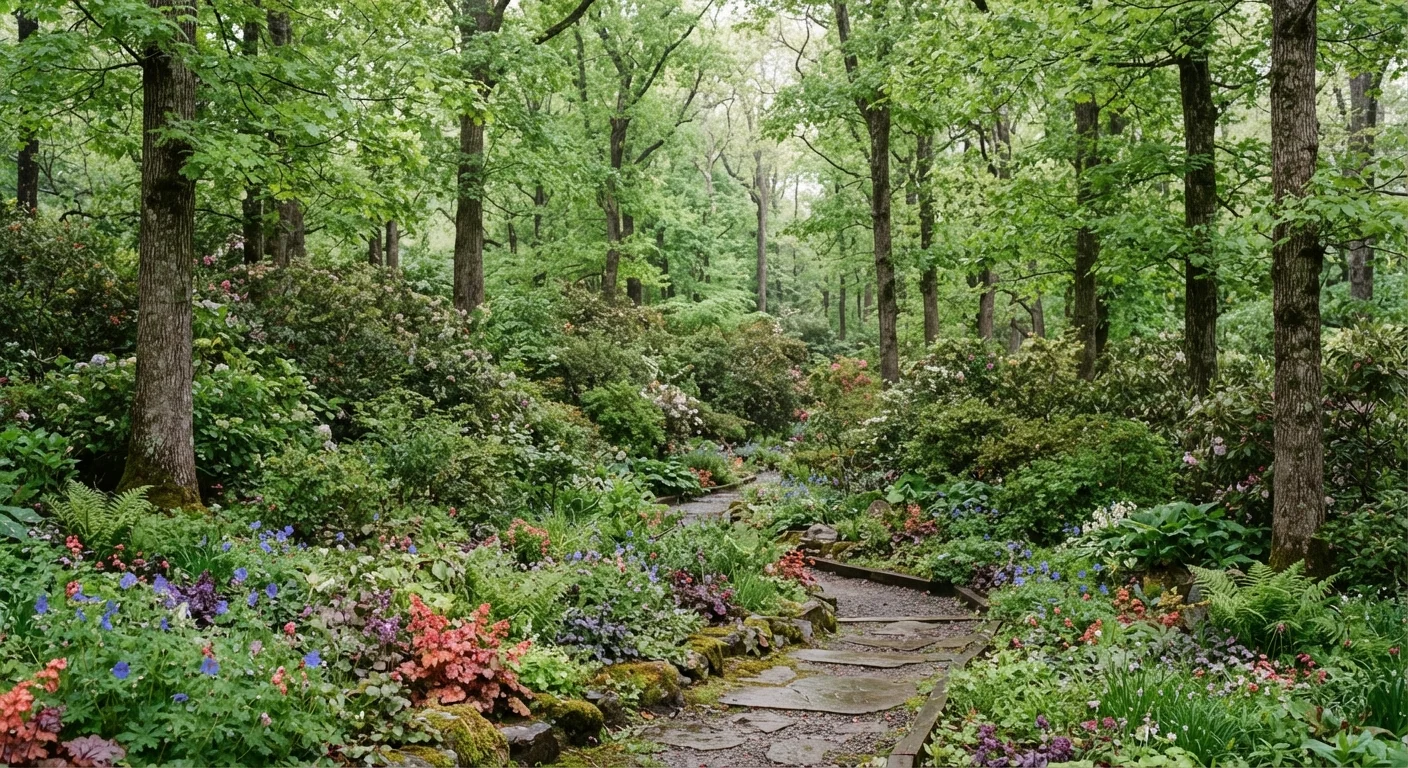
A layered garden is one designed to use vertical space intentionally by grouping plants according to their natural height and growth habits. Just as forests organize themselves from towering trees down to mosses on the forest floor, a layered garden mimics this structure with canopy plants, mid-layer shrubs and perennials, and low-growing ground covers. The result is a landscape that looks fuller, supports more diverse plant life, and manages sunlight and soil moisture more efficiently.
In ecological terms, this approach reflects the concept of 'plant stratification' — the natural vertical zonation seen in woodland and forest ecosystems — applied deliberately to residential garden design.
Why Vertical Structure Matters in the Garden
Most gardening advice focuses on what to plant, but where in the vertical landscape plants belong is equally important. A garden without intentional layering often ends up with a flat, monotonous appearance — or worse, taller plants smothering shorter ones as the season progresses.
Layering takes its cue from nature. Forests naturally organize themselves from canopy to forest floor, and each level plays a functional role. Recreating this structure in a home garden improves light distribution, reduces competition for soil nutrients, and creates microhabitats that support pollinators and beneficial insects.
It also makes the garden more visually dynamic. A composition that draws the eye from ground level upward — through a carpet of creeping thyme, past a drift of mid-height coneflowers, to the arching canopy of a flowering dogwood — holds far more interest than a flat bed of annuals planted at uniform height.
3–7
Natural layers found in a mature forest ecosystem
Ecologists identify multiple vertical strata in forests — from emergent trees to the forest floor — a structure that layered garden design draws directly from.
Up to 50%
Reduction in weed pressure with effective ground cover
Horticultural research broadly supports that dense ground cover plantings significantly reduce bare soil exposure, which is the primary condition that allows opportunistic weeds to establish.
The Three Core Layers Explained
Canopy Layer
The canopy is the tallest tier — typically trees or large multi-stemmed shrubs that reach 15 feet or higher. In residential gardens, this might include ornamental trees like serviceberry (Amelanchier spp.) or flowering dogwood (Cornus florida), which provide shade, seasonal blooms, and structure without overwhelming a modest yard.
Canopy plants anchor the garden visually and set the light conditions for every layer below them. Place them thoughtfully — ideally at the rear of a border or toward the north side of a garden so they don't cast unwanted shade on sun-loving plants.
Mid-Layer
The mid-layer sits between roughly 2 and 12 feet and typically includes shrubs, ornamental grasses, tall perennials, and climbers trained on structures. This is often the most diverse tier — it's where flowering shrubs like native viburnums, mid-height roses, and bold perennials like Joe Pye weed or rudbeckia contribute color and texture through much of the growing season.
The mid-layer also provides important visual continuity, filling the transition zone between tall canopy plants and the ground. See our companion planting guide for advice on pairing mid-layer plants that support each other's growth.
Ground Cover Layer
Ground covers are low-growing plants — typically under 12 inches — that spread across the soil to suppress weeds, retain moisture, and provide a finished look. Options range from creeping phlox and ajuga to native sedges and low-spreading ferns in shaded areas. In sunny spots, creeping thyme and sedum are reliable and low-maintenance choices.
Bare soil invites weeds. A well-chosen ground cover layer is one of the most effective weed-suppression strategies available to home gardeners.
Match Light Needs Across Layers
When selecting plants for each tier, always work from the canopy downward — the shade cast by taller plants determines what can realistically thrive below them. If your canopy tree creates dense shade, choose mid-layer and ground cover plants specifically rated for low-light conditions. Trying to grow sun-loving perennials beneath a dense canopy is a common source of disappointment for new gardeners.
Planning Your Layers: Practical Starting Points
Before selecting plants, sketch your garden's dimensions and note where sunlight falls at different times of day. This tells you which areas can support canopy plants without plunging neighboring beds into deep shade, and which corners are suited to shade-tolerant ground covers.
Work from top to bottom when planning. Choose your canopy plants first, then select mid-layer plants suited to the light those taller specimens will allow. Finally, fill in the ground layer with plants matched to the conditions created by the layers above.
Pay attention to each plant's mature size, not its size at purchase. A shrub that looks modest in a 3-gallon pot may spread 6 feet wide within a few years. Spacing plants generously at planting time and filling gaps temporarily with annuals is a more sustainable approach than planting densely and dealing with overcrowding later.
Understanding your local climate is equally important. A plant hardiness zone reference can help you select canopy and mid-layer plants that will survive winters in your region without special protection.
Adapting Layered Design to Different Garden Sizes
Layering isn't reserved for large properties. Even a modest 10-by-15-foot border can benefit from vertical structure using scaled-down plant selections. A compact ornamental tree — say, a dwarf Japanese maple — can serve as the canopy anchor. Ornamental grasses or dwarf shrubs occupy the mid-layer. Low-spreading perennials or sedums complete the ground tier.
For gardeners using raised beds or containers, the layering principle still applies in modified form. A tall centerpiece plant, surrounded by medium-height fillers and trailing ground-level plants at the edges, replicates the layered look within a contained footprint. For a deeper look at how planting format affects your design choices, see our comparison of raised beds versus in-ground planting.
The underlying principle remains the same regardless of scale: every plant in the garden should have a defined role within the vertical structure, enough room to mature properly, and neighbors whose light and water needs are compatible with its own.
“The most beautiful gardens are those that feel inevitable — where every plant seems to have found its own rightful place, neither crowding nor absent. That sense of rightness almost always comes from working with vertical structure rather than against it.”
— A horticultural educator and garden design instructor, Garden design educator, university extension program