

Home & Garden

A Room-by-Room Décor Audit: Spotting What's Holding Each Space Back

Share
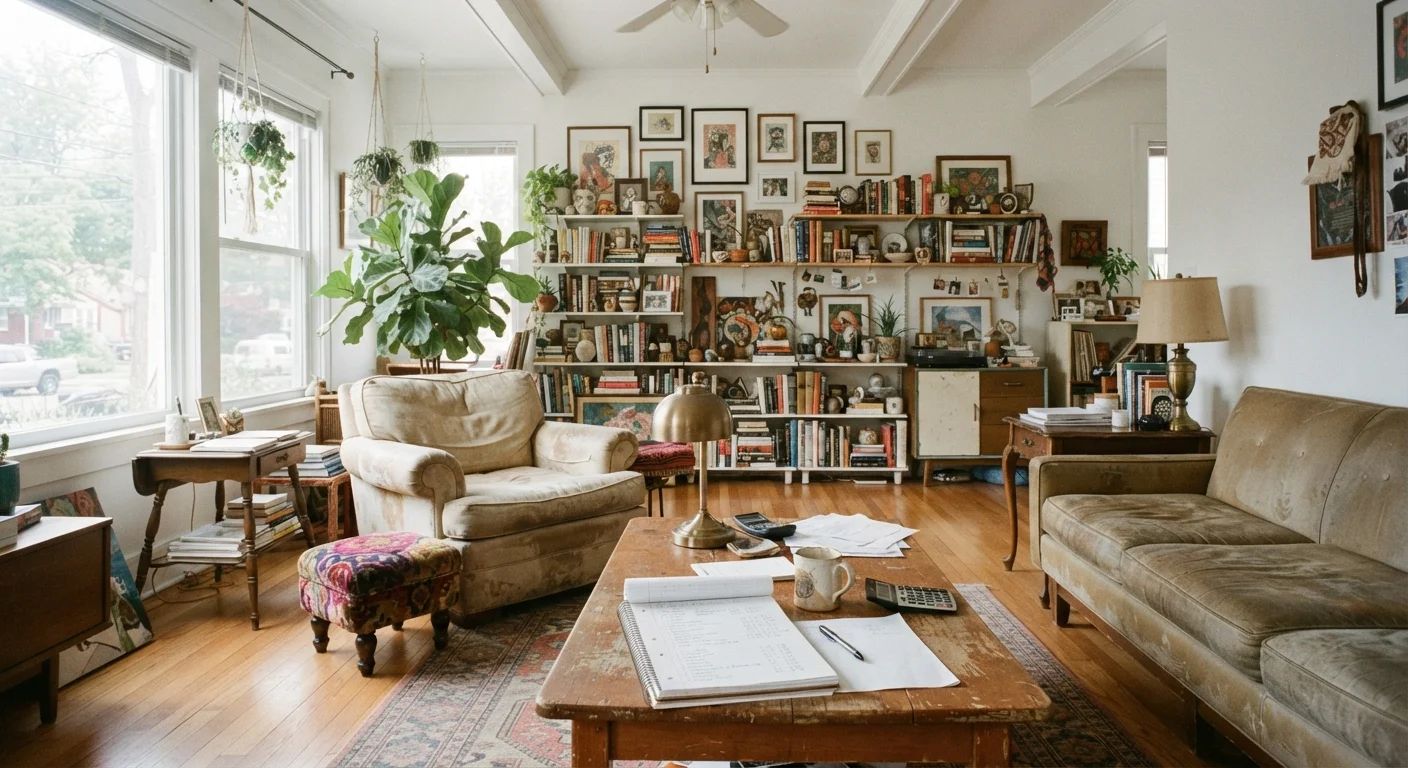
A living room interior with visible decorating issues like clutter, mismatched furniture, and poor lighting

Key Takeaways

Most rooms underperform because of proportion, lighting, or clutter issues — not missing furniture.
An audit works best room by room, with fresh eyes and a notepad in hand.
Small, targeted changes — rug size, bulb temperature, curtain height — often have the biggest visual impact.
Identifying what's wrong is the essential first step before spending any money.
Many décor problems are reversible and budget-friendly once you know what to look for.
30–60 min

Summary

22 items · 30–60 minutes

Why a Décor Audit Is Worth the Time

Most of us live with rooms that feel slightly off without ever pinpointing why. A décor audit is a structured walk-through that replaces vague dissatisfaction with clear, actionable observations. Unlike a renovation, it costs nothing to begin — just time and honest attention.

The goal is not to redecorate everything at once. It's to identify the one or two decisions in each room that are quietly dragging the whole space down. Common culprits include furniture scaled too large for the floor plan, lighting that flattens rather than layers a room, and window treatments that hang too low or too short. These patterns appear in almost every home.

Before you start, grab a notepad (or use your phone) and move through one room at a time. Stand in the doorway first — that's the view guests experience and often the most revealing angle. Check out common decorating myths that keep rooms looking off before you begin, so you're not chasing rules that don't hold up anyway.

Required

Tape measure

Measure rug size, furniture clearances, curtain rod height, and art placement before making any changes.

Required

Notepad or phone notes app

Record audit observations and quick-fix hypotheses room by room as you walk through.

Required

Color temperature bulb reference (package label or manufacturer spec)

Compare existing bulb temperatures across the room to identify inconsistencies.

Optional

Camera or phone camera

Photograph each room from the doorway to review with fresh eyes — photos reveal proportion issues that the naked eye misses in familiar spaces.

How to Work Through the Checklist

Use the checklist below for every room you want to evaluate. Not every item will apply everywhere — a bathroom audit looks different from a living room audit — but the categories (light, scale, flow, surface, wall, and storage) apply universally. Mark items that immediately resonate as problems, and note a quick hypothesis about the fix beside each one.

Prioritise must items first: these are foundational issues that affect how livable and visually coherent the space is. Should items are meaningful improvements that sharpen the room's character. Nice-to-have items are finishing touches worth addressing once the foundations are solid.

If budget is limited, prioritising where to spend in a small renovation budget offers a useful framework for sequencing changes wisely.

Light

Check whether the room relies on a single overhead fixture — if so, add at least one additional light source at a lower level. Must
Verify that bulb color temperature is consistent across the room (warm white, around 2700–3000K, suits most living and bedroom spaces). Must
Assess whether natural light is being blocked unnecessarily by furniture placement or overly heavy window treatments. Should
Consider adding a dimmer switch or lamp with adjustable brightness to allow the room to work for multiple moods. Nice to have

Scale and Proportion

Confirm that the area rug (if present) is large enough — front legs of all major seating should sit on it, or it should fully anchor the furniture grouping. Must
Check whether furniture is scaled to the room — oversized sofas in small rooms and undersized pieces in large ones both disrupt proportion. Must
Look at wall art size: artwork that's too small for the wall it occupies is one of the most common proportion errors in residential spaces. Should
Evaluate whether the room has a clear visual anchor — a fireplace, a bed, a feature wall — that the layout is oriented around. Should

Window Treatments

Measure curtain rod height — rods should be mounted 4–6 inches above the window frame (or near the ceiling) to visually elongate the wall. Must
Check that curtain panels extend at least 6 inches beyond the window frame on each side so they don't block natural light when open. Must
Confirm curtain length — panels that hover above the floor make ceilings feel lower; floor-grazing or slight puddle lengths read as more intentional. Should

Surfaces and Clutter

Edit every visible surface to a maximum of three grouped objects — remove anything that doesn't earn its place visually or functionally. Must
Look for surfaces doing double duty as storage (stacked mail, charging cables, spare items) and create a dedicated home for those categories. Must
Assess open shelving for visual noise — vary heights, group by color or material, and leave deliberate negative space. Should
Check that decorative objects reflect the room's intended mood — mismatched styles across one shelf or table fragment the overall feel. Nice to have

Flow and Furniture Layout

Walk through the room's natural paths — confirm at least 30–36 inches of clearance for primary traffic routes and 18 inches around seating. Must
Check whether furniture is pushed against every wall — pulling pieces even a few inches inward creates a more composed, intentional grouping. Should
Identify whether the room has a conversation zone or activity cluster, or whether seating is arranged without a clear functional purpose. Should

Walls and Color

Note whether wall color is actively working for the room or defaulting to a builder white that doesn't suit the light, furniture, or intended feel. Should
Look for the '60-30-10' color balance: a dominant hue, a secondary tone, and a small accent — rooms without this structure often feel disjointed. Should
Consider an accent wall, wallpaper panel, or paint treatment if the room lacks any visual focal point on the walls. Nice to have

Avoid Auditing Under Poor Lighting Conditions

Don't assess a room's color, warmth, or atmosphere at a time of day that's unrepresentative. A room that looks dingy at dusk with only overhead lighting may read completely differently on a bright morning. Try to audit each space in at least two different light conditions before drawing conclusions.

Acting on What You Find

Once you've completed the walk-through, you'll likely have a list of 5–10 observations across your home. Group them by effort: things you can address today (rehanging curtains higher, swapping a bulb, editing a shelf), things that need a weekend (rearranging furniture, adding a rug), and things to plan for (paint, new window treatments, larger-scale changes).

Window treatments are one of the highest-impact, lowest-cost fixes for rooms that feel squat or dim. See how curtains and blinds compare room by room if that came up in your audit. If shelving looked cluttered or haphazard, these shelf-styling approaches can help before you add a single new object.

For renters, most audit findings are still actionable. Reversible décor strategies for rented homes covers paint-free, nail-free solutions for nearly every category this checklist surfaces. And if your room still feels smaller than it should after the audit, these scale and lighting missteps are worth reviewing specifically.

Fix the Foundation Before Adding More

A common trap after a décor audit is shopping for new items before addressing structural issues like poor lighting, wrong rug size, or cluttered surfaces. Adding more objects to an unresolved layout compounds the problem. Work through your 'must' checklist items first — you may find the room needs far less than you thought.

Home & Garden Editorial Team is the collective byline for our editorial team and contributor network. Articles published under this byline or an editorial pen name are researched, written, and reviewed according to our editorial standards for clarity, consistency, and independence before publication.

View all articles by Home & Garden Editorial Team →
Disclaimer: The content on this site is for informational purposes only and is not a substitute for professional advice. Always consult a qualified professional for guidance specific to your situation.