

Key Takeaways
Start here
Why Container Gardening Works for Small Spaces
Next
Choosing the Right Container
Then
Soil Mixes and Feeding
Build on it
Watering Rhythms and Drainage
When you're ready
Choosing Plants for Containers
Why Container Gardening Works for Small Spaces
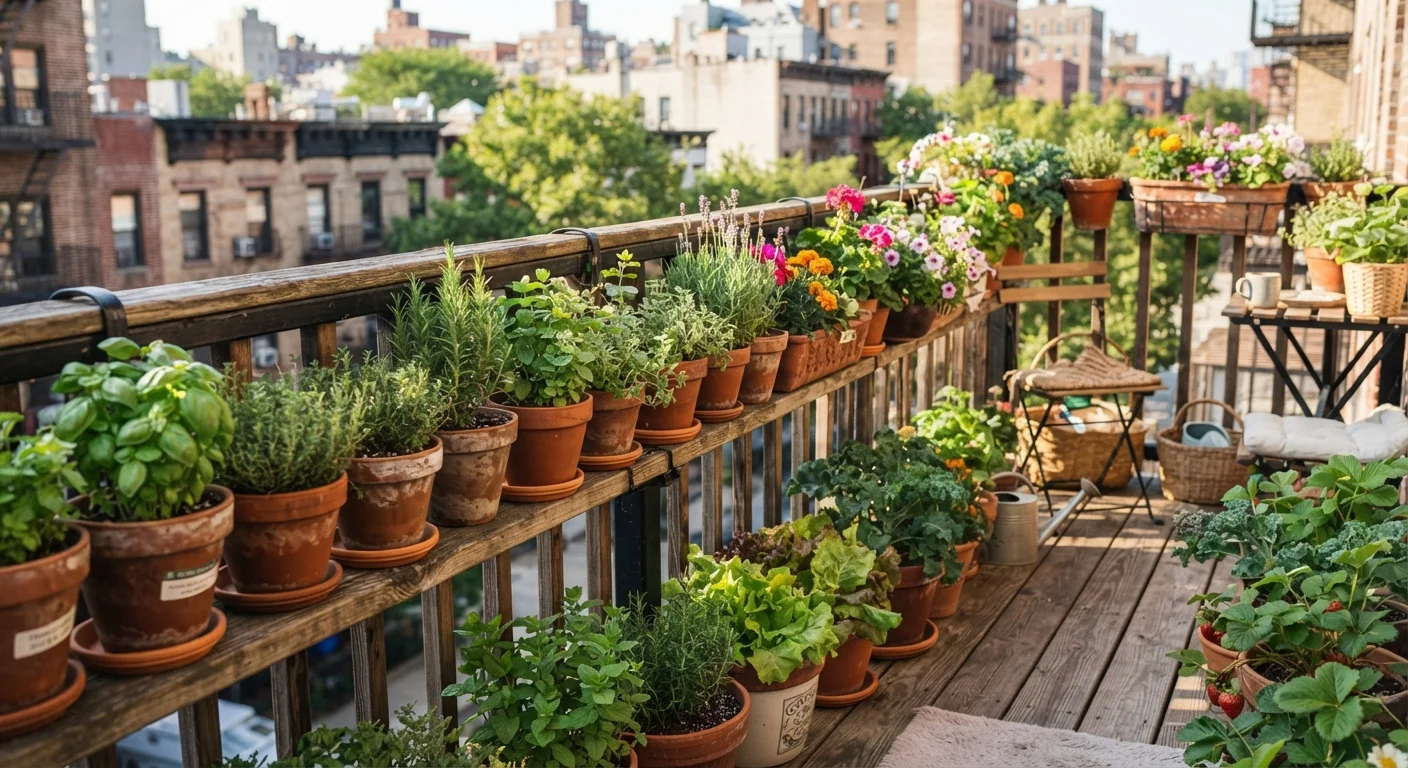
Container gardening is one of the most accessible ways to grow plants when outdoor space is limited. A balcony, a small patio, a narrow side yard, or even a set of front steps can all host a productive, attractive garden when the right containers are used. Unlike in-ground planting, containers let you control soil quality precisely, move plants to follow sunlight, and avoid dealing with poor native soil or paved surfaces altogether.
The approach is also highly scalable. You can start with two or three pots of herbs and expand gradually — adding deeper containers for vegetables, taller planters for dwarf shrubs, or window boxes for trailing flowers. For a broader comparison of how container growing compares to other methods, see the raised beds vs. in-ground planting guide to understand each method's trade-offs.
Potting mix
A specially formulated growing medium for containers — lighter and better draining than garden soil, often containing perlite or coconut coir.
Drainage hole
An opening at the base of a container that allows excess water to escape, preventing root rot.
Slow-release fertilizer
A fertilizer that gradually releases nutrients over weeks or months, providing a steady supply without frequent reapplication.
Perlite
A lightweight volcanic mineral added to potting mixes to improve aeration and drainage around plant roots.
Microclimate
A small, localized area where conditions — such as temperature or humidity — differ slightly from the surrounding environment, often created by grouping plants or placing containers near walls.
Choosing the Right Container
Two factors matter most when selecting a container: size and drainage. Every pot must have at least one drainage hole at the base — without it, water pools around roots and causes rot. If you fall in love with a decorative pot that has no hole, use it as an outer sleeve and place a drilled inner pot inside.
Pot size directly affects how much root space a plant has and how quickly the soil dries out. As a general guide:
- 6–8 inches deep: herbs, lettuce, radishes, shallow-rooted annuals
- 10–12 inches: dwarf flowers, strawberries, compact pepper varieties
- 5 gallons (12+ inches diameter): most tomatoes, beans, eggplant
- 15+ gallons: dwarf fruit trees, larger shrubs
Material also matters. Terracotta is porous, which helps prevent waterlogging but dries out faster — plan to water more often. Plastic and glazed ceramic retain moisture longer, which is helpful in hot climates. Fabric grow bags provide excellent aeration for roots and are a practical, lightweight option for food crops.
Lightweight Mix for Balcony Containers
If weight is a concern on a balcony or rooftop, choose plastic or fabric containers over terracotta or ceramic, and look for potting mixes that include lightweight aggregates. Always check your building's weight limits before assembling large container displays — a single large pot saturated with water can be surprisingly heavy.
Soil Mixes and Feeding
Never fill containers with garden soil — it compacts in pots, restricts drainage, and often introduces pests or disease. Instead, use a potting mix designed for container use. Quality potting mixes are lightweight, drain well, and include materials like perlite or vermiculite to keep roots aerated.
Because nutrients wash out with every watering, container plants need regular feeding. A slow-release granular fertilizer worked into the mix at planting provides a baseline. Supplement with a balanced liquid fertilizer every two to four weeks during the growing season. For leafy crops and herbs, a nitrogen-rich formula encourages vigorous growth; for fruiting plants like tomatoes, switch to a formula higher in phosphorus and potassium once flowering begins.
If you want to enrich your potting mix organically, a small amount of finished compost can be blended in. See our guide to composting at home for how to produce and use your own compost.
Watering Rhythms and Drainage
Overwatering and underwatering are the two most common reasons container plants struggle. Containers dry out significantly faster than garden beds, especially in summer heat or on exposed balconies. A useful rule of thumb: push your finger about an inch into the soil. If it feels dry at that depth, water thoroughly until it drains freely from the bottom holes.
In the peak of summer, many containers — particularly small terracotta pots — may need watering daily. Grouping pots together creates a slightly more humid microclimate and reduces moisture loss. Placing saucers under pots captures overflow, but empty them after 30 minutes to prevent roots from sitting in standing water.
Standing Water Is a Root Rot Risk
Saucers under pots are helpful for protecting surfaces, but water left sitting in them for more than 30 minutes can be drawn back up through drainage holes and keep roots constantly wet. This leads to root rot, which is often fatal to the plant before any visible symptoms appear above soil level. Empty saucers after each watering session.
For gardeners in hotter or drier regions, self-watering containers with built-in reservoirs can reduce the frequency of watering without risking overwatering. Our drought-tolerant gardening guide covers plant choices and strategies that also translate well to container settings.
Choosing Plants for Containers
Almost any plant can be grown in a container if the pot is large enough, but some are naturally better suited to the format. Reliable choices for beginners include:
- Herbs: basil, parsley, chives, mint (keep mint in its own pot — it spreads aggressively), thyme, oregano
- Vegetables: cherry tomatoes, bush beans, lettuce, spinach, radishes, compact pepper varieties
- Flowers: petunias, marigolds, zinnias, impatiens (for shade), geraniums
- Dwarf fruiting plants: strawberries, blueberries (in acidic mix), dwarf citrus (in frost-free climates)
Match plants to your available light — most vegetables and flowering annuals need at least six hours of direct sun per day. If your space receives less light, prioritize shade-tolerant plants such as ferns, begonias, and leafy greens like spinach.
If you're expanding from containers into a more comprehensive outdoor growing project, starting a vegetable garden from scratch offers a broader foundation. And if seedlings ever seem to struggle shortly after planting, understanding why seedlings fail can help you diagnose common problems early.